
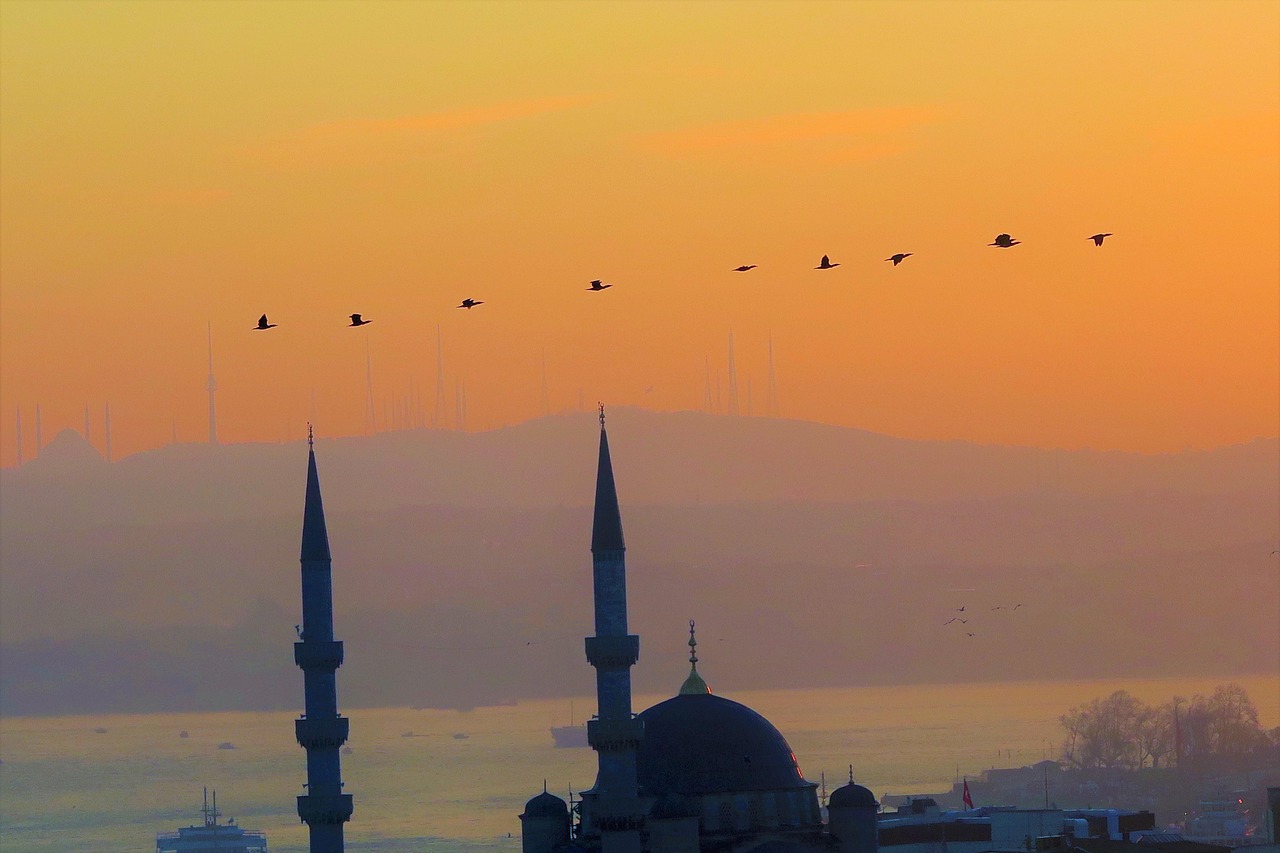
The fundamental beliefs of Islam
Islam rests on six pillars of faith that form the foundation of Muslim beliefs and guide the believer in their relationship with God.
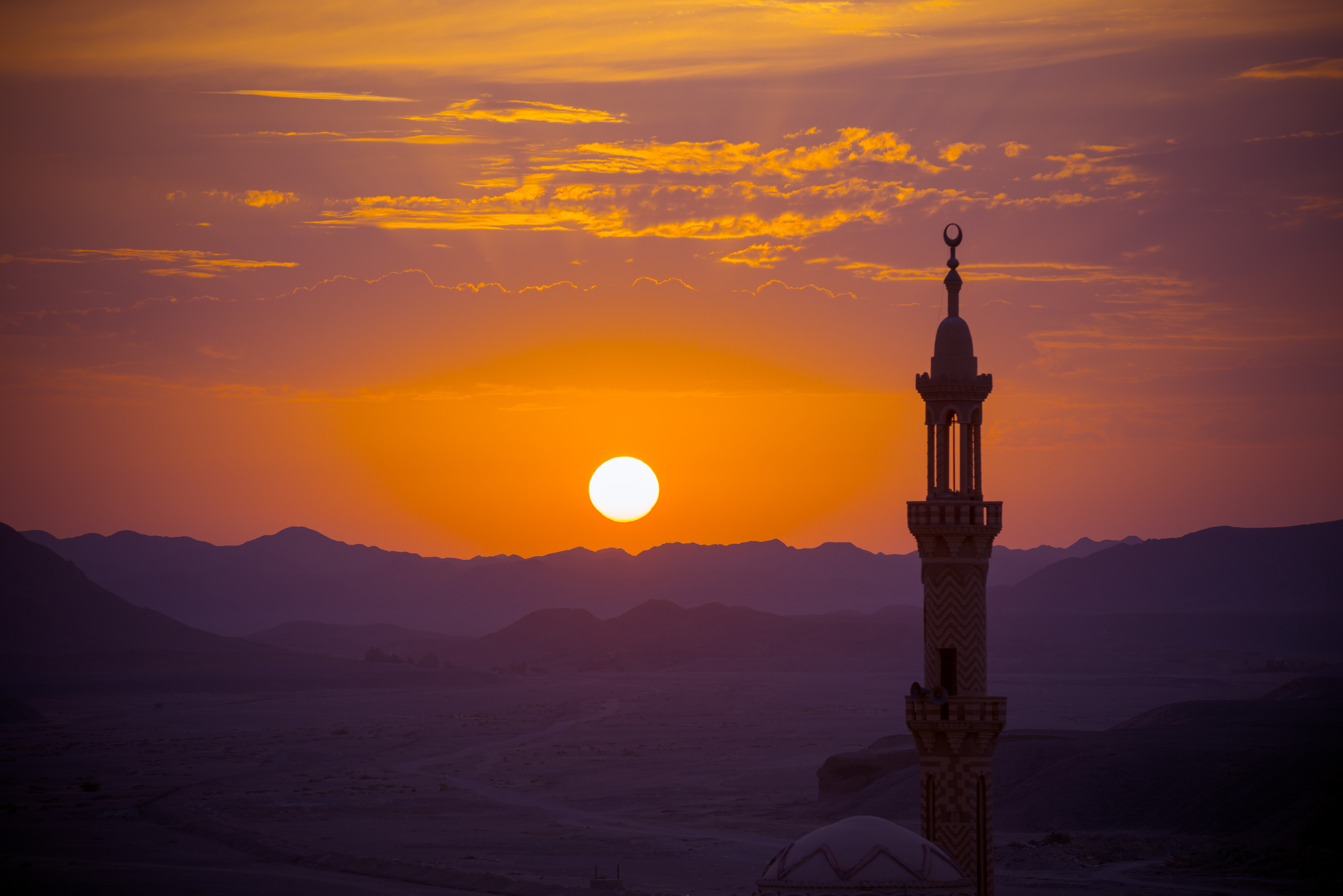
The foundations of Muslim faith
In Islam, faith (Iman) rests on six fundamental beliefs. Each represents an essential aspect of Muslim faith and guides the believer in understanding the world and their role as a servant of God.
Belief in one God
The basis of Islam is belief in one God, Allah, with no partners or intermediaries. This belief rejects all forms of idolatry and polytheism.
The prophets
Islam recognizes all the prophets sent by God, from Adam to Muhammad. Muslims believe that Muhammad is the last prophet, who brought the final message.
The sacred books
Muslims believe in the books revealed by God, including the Torah, the Psalms, the Gospel and the Quran. The Quran is considered the final and preserved revelation.
The angels
Angels are creatures of light created by God to serve Him. Every human being is accompanied by angels who record their deeds and protect them.
The Day of Judgment
Earthly life is temporary and will be followed by the Day of Judgment, when every soul will be judged according to its deeds. Belief in the afterlife encourages a righteous life.
Predestination
Everything that happens is according to divine will. This does not deny free will, but reminds us that God knows all that was, is and will be, and that nothing happens without His permission.
The fundamental acts of worship
In addition to the six pillars of faith, Islam comprises five practical pillars that form the fundamental acts of worship for every Muslim.
The declaration of faith (Shahada)
To bear witness that there is no deity but Allah and that Muhammad is His messenger. It is the declaration that brings a person into Islam.
Prayer (Salat)
Performed five times a day at specific times, prayer is a direct link between the believer and God. It structures the Muslim's day.
Obligatory charity (Zakat)
A mandatory annual contribution that purifies wealth and helps the needy. It usually represents 2.5% of accumulated wealth.
Fasting during Ramadan (Sawm)
A month of fasting from dawn to sunset, which teaches patience, perseverance and compassion toward those in need.
The pilgrimage to Mecca (Hajj)
A journey to Mecca that every Muslim should undertake at least once in their lifetime, if able. It unites Muslims from around the world.